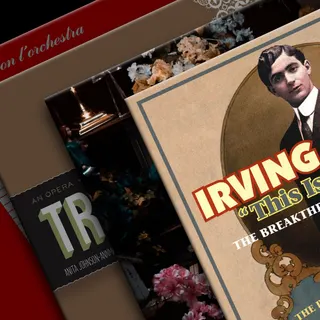
Ragtime
Scott Joplin published "Maple Leaf Rag" in 1899, and the piece sold hundreds of thousands of copies in sheet music. Ragtime piano ruled American popular music for the next two decades, establishing syncopated rhythms and composed structures that jazz would later deconstruct through improvisation. Joplin called his compositions "classical ragtime," insisting they be played exactly as written at moderate tempos. Other pianists like James Scott, Joseph Lamb, and Eubie Blake expanded the form, adding their own harmonic sophistication and technical demands.
The music came from marching band traditions, with the left hand playing steady bass patterns while the right hand syncopated melodies over the top. Recordings from the era capture performances on upright pianos, often slightly out of tune, with mechanical player piano rolls preserving compositions exactly as written. Jazz samples from ragtime sessions offer something distinct from later jazz periods—these are composed pieces rather than improvised solos, giving producers access to melodic structures and rhythmic patterns that were carefully constructed rather than spontaneously created.
Hip-Hop producers don't dig through ragtime catalogs as frequently as bebop or soul jazz, but that scarcity creates opportunity. The piano tones, the march-like bass patterns, the pre-electric acoustic quality—these elements bring a different historical texture to beats. A Scott Joplin melody chopped and recontextualized sounds nothing like a typical jazz loop.
Our catalog includes both original recordings and modern interpretations. Ragtime samples offer piano work and rhythmic sophistication from the music that preceded and influenced everything jazz became.
- Parent genre
- Jazz
- Related genres
- Afro CubanAvant-Garde / Free JazzBebopBig Band