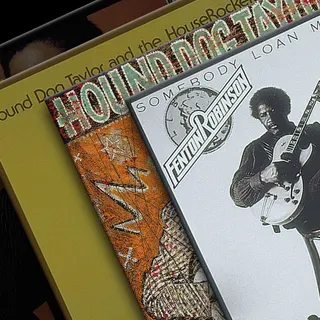
Chicago Blues
The Great Migration brought Mississippi Delta musicians to Chicago's South and West Sides starting in the 1940s. What happened next changed music permanently. Muddy Waters plugged in his guitar. Howlin' Wolf's voice found amplification that matched its raw power. Willie Dixon started writing songs that would become the backbone of rock and roll decades before anyone called it that.
Electric guitars, amplified harmonicas, and pounding drums replaced acoustic instruments. Chess Records captured this transformation, turning small clubs into laboratories where blues evolved from rural tradition into urban electricity. The sound was louder, harder, more defiant. Players like Little Walter reinvented the harmonica through distortion and microphone techniques that still haven't been matched. Buddy Guy's guitar work pushed boundaries that blues purists said shouldn't be crossed.
Chicago Blues became the template. British rockers studied these recordings like sacred texts. The Rolling Stones took their name from a Muddy Waters song. Led Zeppelin built careers on riffs borrowed from this tradition. When you sample from this catalog, you're accessing the DNA of modern electric music.
Our collection includes contemporary interpretations and traditional recordings that capture this era's electricity. Arelean Brown's vocal delivery, Steve Glotzer's multitrack recordings like "Coal Mine Blues" and "Junior's Blues," and Archie Thompson's work all demonstrate how Chicago's influence continues shaping music. Many tracks offer samples with stems available, letting you isolate specific harmonica runs, guitar licks, or drum patterns.
This wasn't background music. Chicago Blues demanded attention, commanded respect, and refused to be ignored. That same intensity translates directly into modern productions looking for authenticity and grit that can't be manufactured.
- Parent genre
- Blues
- Related genres
- Boogie-WoogieCountry BluesDelta BluesElectric Blues