Electric Blues
Amplification changed everything. Delta bluesmen moved to Chicago, Memphis, and Detroit in the 1940s and 1950s, bringing acoustic traditions into noisy urban clubs where volume was survival. Muddy Waters plugged in a Telecaster. Howlin' Wolf's voice found microphones that could finally match its power. Electric guitars roared through tube amplifiers, creating distortion that was initially accidental but quickly became the point.
Harmonicas got the same treatment. Little Walter held a bullet microphone inside cupped hands, running the signal through guitar amps and creating tones that had never existed before. Amplified harp became just as aggressive as the guitars, trading licks and building tension that acoustic instruments couldn't touch. Drummers hit harder to compete. Bassists locked in with kick drums. The whole ensemble became louder, faster, and more confrontational.
This wasn't background music for Sunday afternoons. Electric Blues was Saturday night intensity, music for dancing, drinking, and getting into trouble. Songs like "Smokestack Lightning" and "Mannish Boy" carried menace alongside the groove. The slide guitar work, bent strings screaming through overdriven amps, influenced every rock guitarist who followed. When Eric Clapton or Stevie Ray Vaughan talk about their roots, they're referencing these exact recordings.
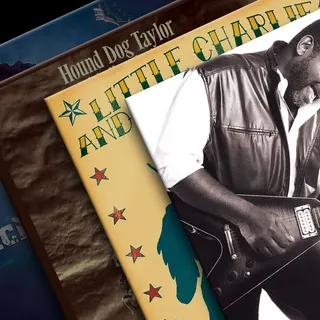
Our collection captures Electric Blues through performances that preserve that raw energy. Billy Boy Arnold's extensive catalog including "Eldorado Cadillac," "Catfish," and "It's Great to Be Rich," demonstrates authentic Chicago blues. Big Joe Williams and Walter Horton's live recordings bring you directly into that club environment. Oliver and Jodi's interpretations show how these samples continue shaping modern production. When you need attitude that can't be faked, Electric Blues delivers electricity that still shocks.
- Parent genre
- Blues
- Related genres
- Boogie-WoogieChicago BluesCountry BluesDelta Blues