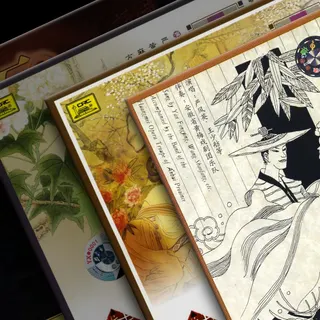
Huangmei Opera
Huangmei Opera originated in rural Anhui Province, growing from folk songs and tea-picking melodies into a fully developed theatrical form by the early 20th century. Unlike the formalized grandeur of Beijing Opera or the urban sophistication of Cantonese Opera, Huangmei kept its folk roots visible. The music favors simple, singable melodies that audiences could hum afterward. Performers used naturalistic acting and emphasized storytelling over symbolic gesture, making the art form accessible to working-class audiences who found other opera traditions too remote.
The instrumental accompaniment stays deliberately spare. A small ensemble built around the erhu (two-stringed fiddle), pipa (lute), and yangqin (hammered dulcimer) supports vocalists without overwhelming them. Percussion appears but doesn't dominate the way it does in northern opera traditions. This restraint lets the vocal melodies carry the emotional weight, with performers using the Huangmei dialect's tonal qualities to shape their phrasing.
Huangmei Opera samples capture a tradition that balanced theatrical drama with folk music's directness. The recordings preserve vocal techniques refined over generations, where ornamentation served expression rather than virtuosity for its own sake. The instrumental textures, plucked strings, bowed melodies, and subtle percussion accents create an atmosphere that feels intimate rather than bombastic.
Classical samples from Huangmei Opera offer materials shaped by rural performance contexts, where music needed to reach outdoor audiences without amplification. These recordings provide melodic fragments, instrumental colors, and vocal approaches that carry regional character distinct from better-known Chinese theatrical traditions.
- Parent genre
- Classical
- Related genres
- Ballet MusicBeijing OperaCantonese OperaMarch