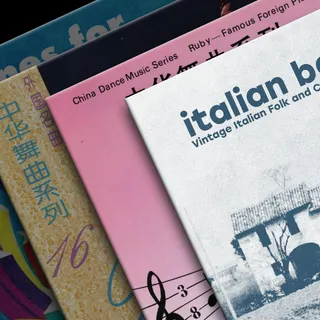
Waltz
The waltz transformed European ballrooms in the 19th century with its distinctive 3/4 time signature and rotating dance pattern. Vienna claimed it as a cultural signature, with composers like Johann Strauss II elevating the form from scandalous novelty to refined art. That elegant sweep, the one-two-three rhythm that spins dancers across floors, became a template copied and adapted across continents.
Our catalog captures how different regions interpreted the form. Italian library music composers like Gianfranco Reverberi and Fabio Borgazzi wrote cinematic waltzes for film and television, using string arrangements and accordion textures that leaned romantic without becoming saccharine. Jan Langosz's Eastern European sessions bring folk influences that make the rhythm feel earthier, less polished. Latin American artists like Jose Antonio Salaman and El Cholo Berrocal infused the waltz with regional character, where guitar and percussion added warmth that Viennese ballroom orchestras never considered.
Waltz samples offer immediate rhythmic frameworks. That 3/4 meter creates natural movement, whether you're after sweeping strings from Maria Augusta Bruni or the intimate arrangements from Carlo Savina. The tempo variations across recordings range from contemplative to energetic, providing options that fit different moods without losing the form's essential rotating quality.
Classical samples from waltz recordings include both grand orchestral statements and smaller ensemble interpretations. Many sessions feature accordion, guitar, and string sections captured with analog warmth that gives these performances character impossible to replicate through modern production alone.
- Parent genre
- Classical
- Related genres
- Ballet MusicBeijing OperaCantonese OperaHuangmei Opera